
Office vacancy hits highest rate in 31 years
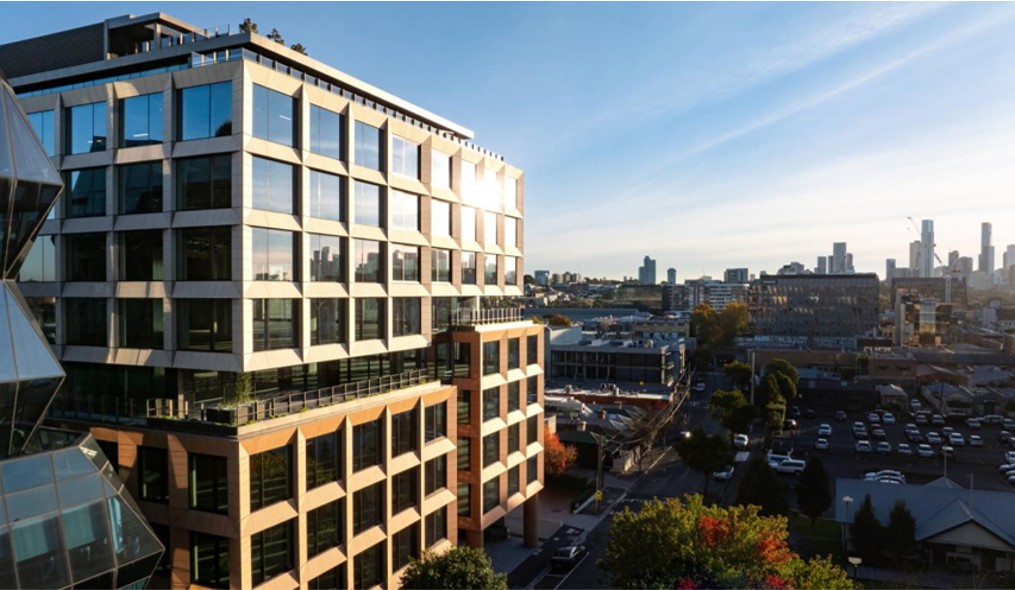
Australian office demand strengthened in the first half of the year, particularly in premium CBD buildings, even as national vacancy climbed to its highest level in three decades.
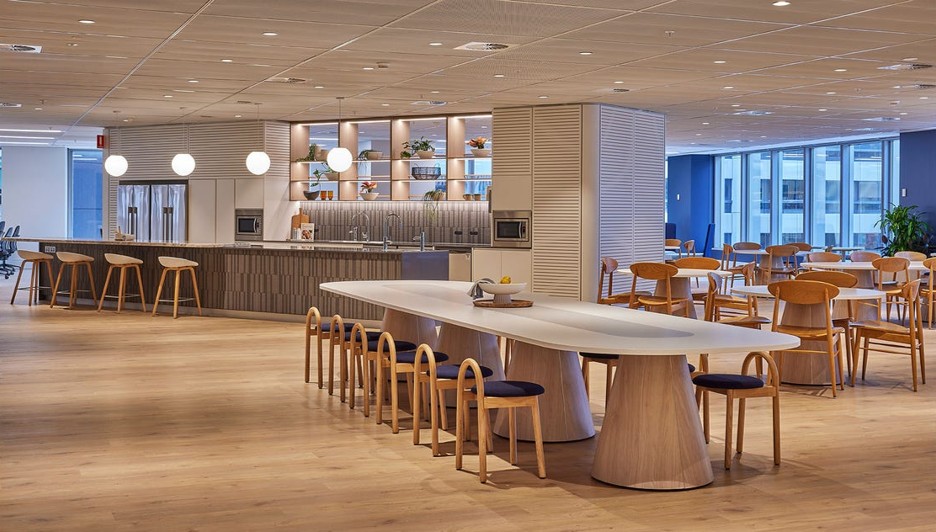
The Property Council of Australia’s bi-annual Office Market Report found national vacancy rose from 15.8 per cent to 16.1pc over the six months to July – the highest level since 1995.

That statistic includes city-fringe and major suburban office markets.
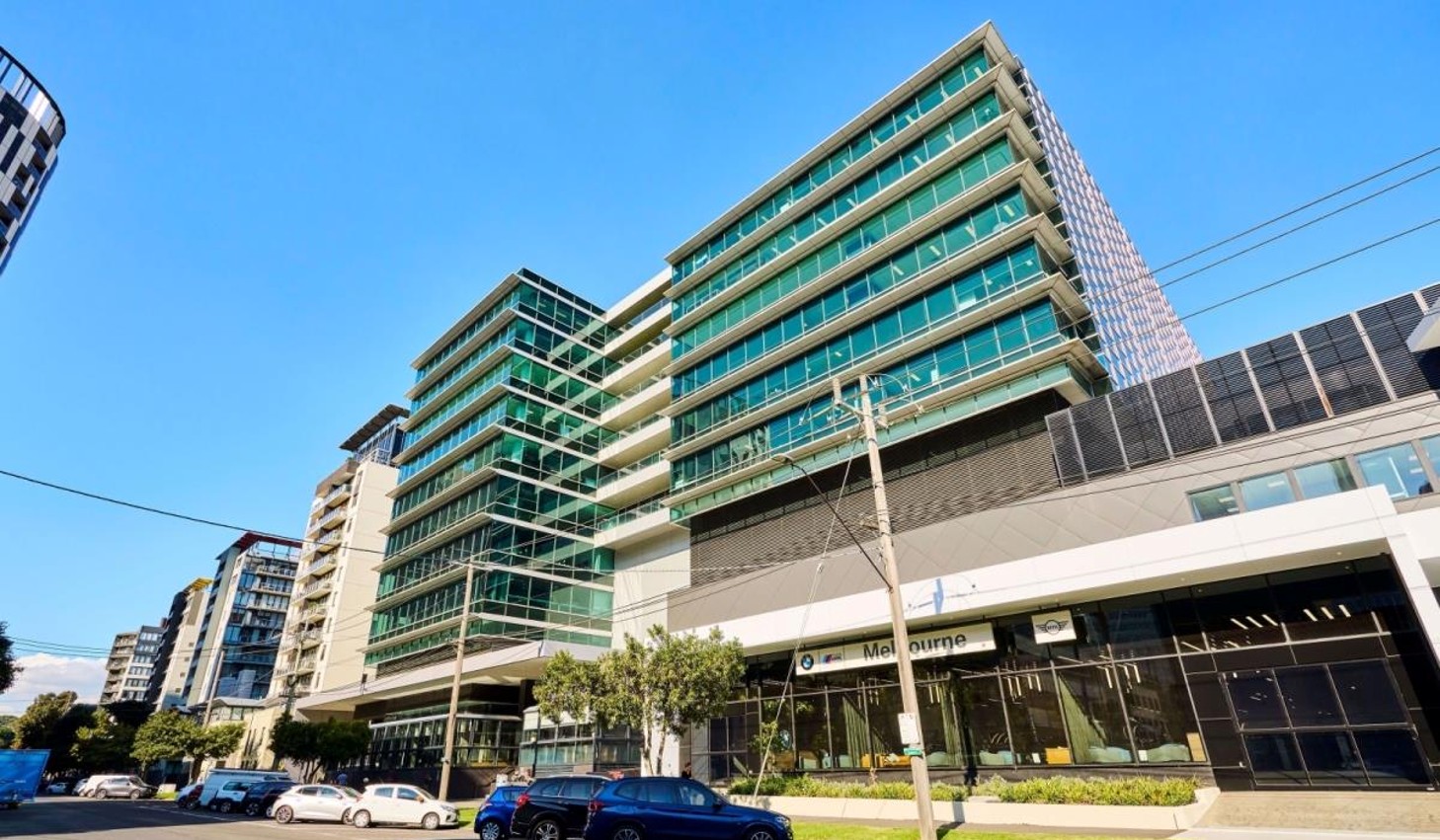
CBD vacancy specifically increased slightly from 14.8pc to 14.9pc.
Premium-grade CBD vacancy, however, tightened 1.2cp to 10.2pc as occupiers have continued a flight to quality since COVID introduced work-from-home alternatives.
Positive demand, less supply
Brisbane recorded the strongest net absorption nationally, at 38,785 square metres, followed by Perth (27,528 sqm) and Melbourne (26,779 sqm).
Sydney, Melbourne, Brisbane and Perth all posted positive demand.
Net absorption measures space leased by tenants less space returned to the market.
About 176,303 sqm of office space was added to stock levels in the first half – the lowest six-month supply since 2017.
The development pipeline is expected to remain well below long-term averages until 2029.
PCA chief executive officer Mike Zorbas said the office market had moved from a correction phase into recovery (continues below).
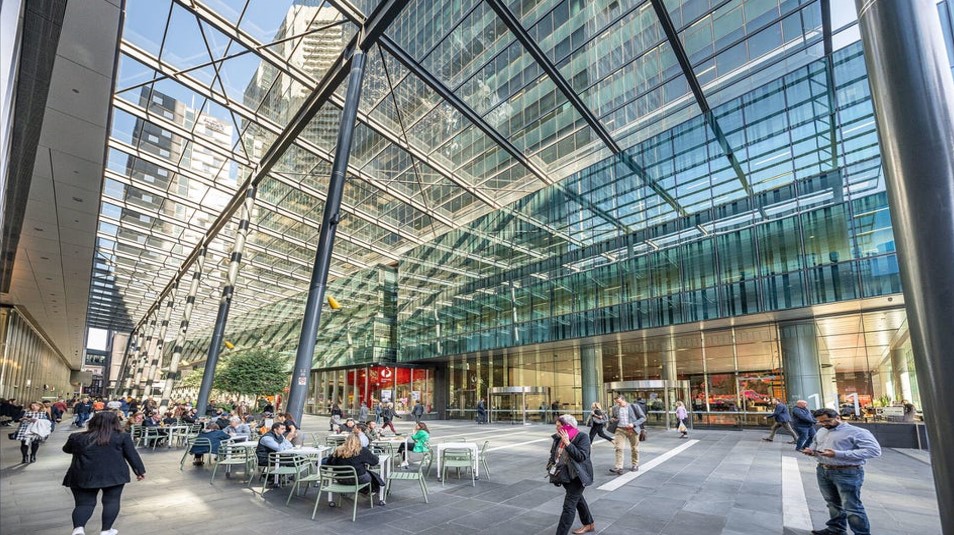
“Businesses continue to seek workplaces that support collaboration, attract talent and provide the offerings people value,” he added.
City by city
Melbourne and Adelaide recorded the highest CBD vacancy rates at 18.9pc and 18.4pc respectively.
Brisbane and Canberra were the tightest markets at 9.9pc and 10.2pc.
Sydney and Perth sat in the middle at 13.8 pc and 14.5pc.
CBRE head of office and capital markets research, Tom Broderick, said enquiry volumes increased 19pc in the first half as occupiers regained confidence despite global uncertainty.
Vacancy should tighten over coming years, according to the executive, as new office supply remains constrained.
Cushman & Wakefield head of tenant advisory Josh McNamara added headline vacancy rates increasingly overstated the amount of genuinely competitive space.
“Much of that vacancy is concentrated in older or lower-quality buildings, while availability within prime assets is becoming increasingly constrained,” he said.
Businesses delaying leasing decisions risked finding fewer options as the supply of quality offices tightened, according to the executive.
Subscribe to our newsletter at the bottom of this page.