Flexible workspace is the future of office space: Colliers
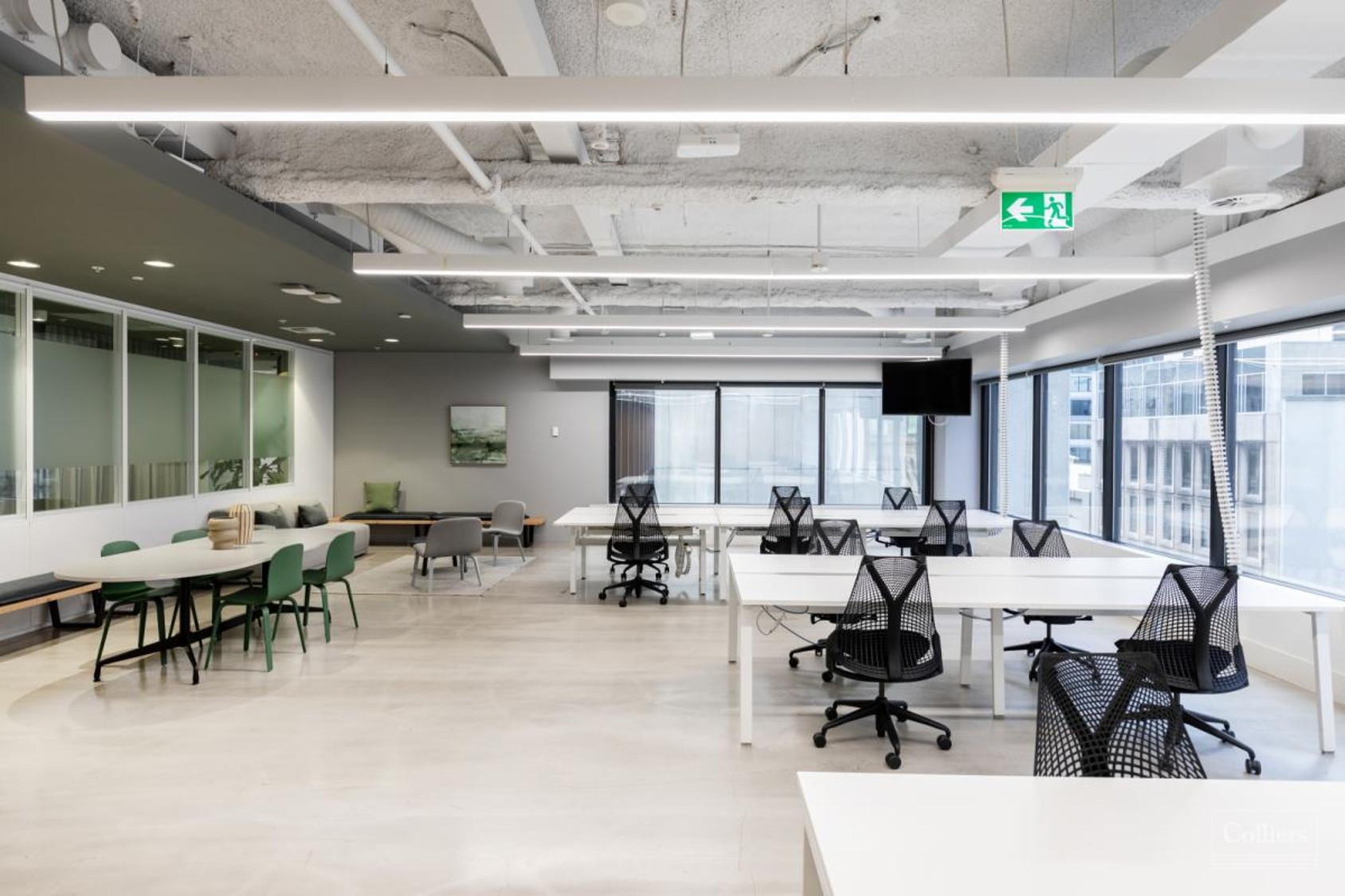
Colliers flexible workspace specialist Barney Wilson on the changing role of flex and what’s next for the sector.
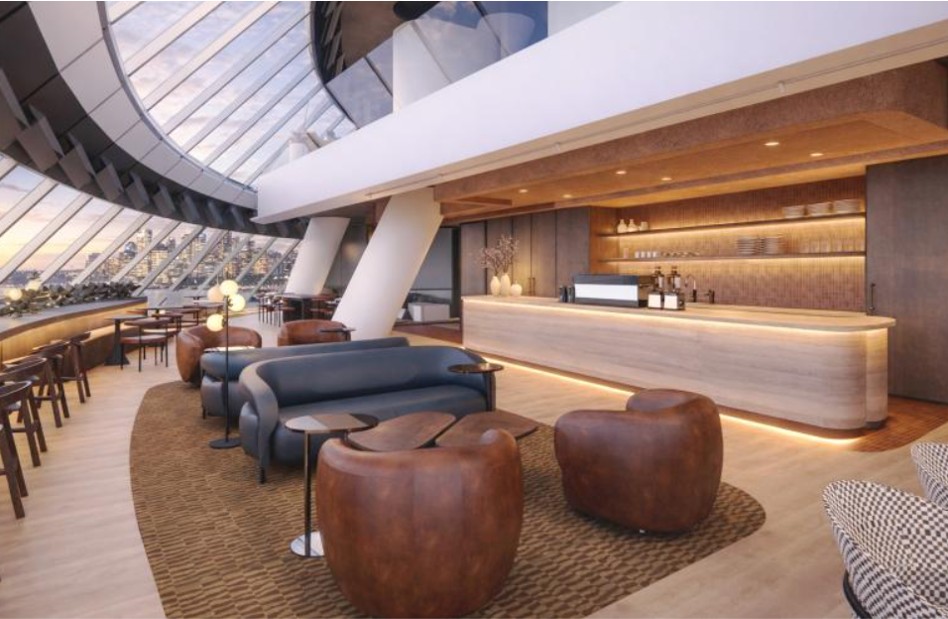
Flexible workspace is moving beyond conventional coworking stereotypes as businesses seek greater choice between traditional long-term leases and more flexible office solutions.
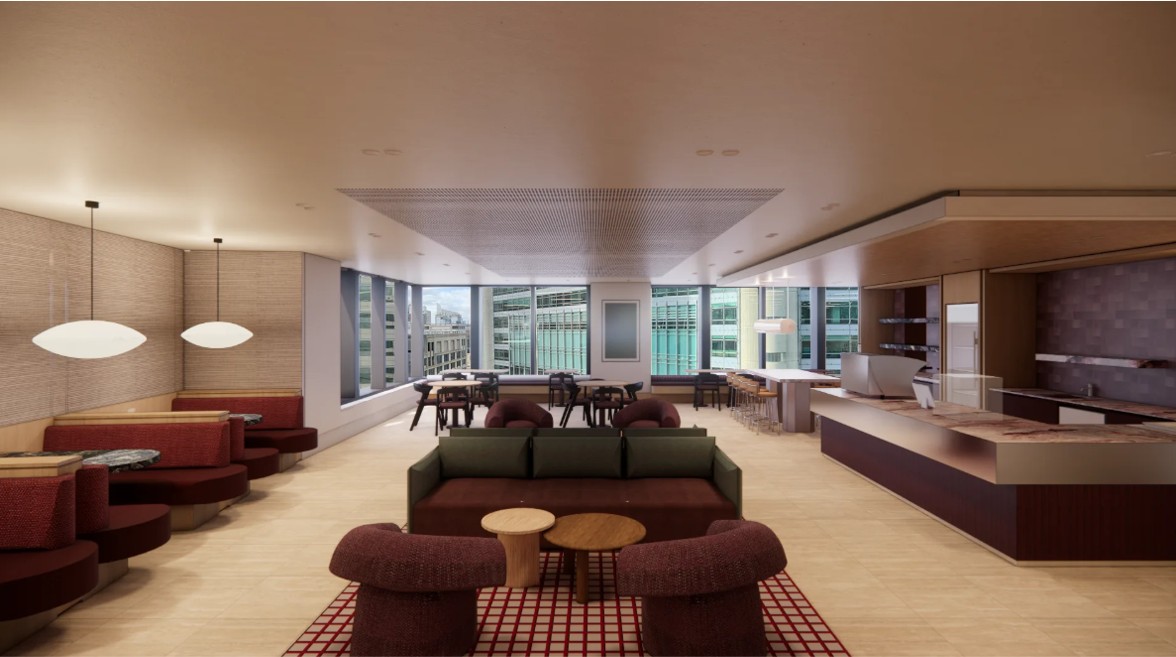
Colliers Senior Executive, Flexible Workspace | Office Leasing, Sydney CBD, Barney Wilson has worked across the flexible workspace sector in London since 2018, including on the operator, broker and agency side, before relocating to Sydney earlier this year and joining Colliers in April.
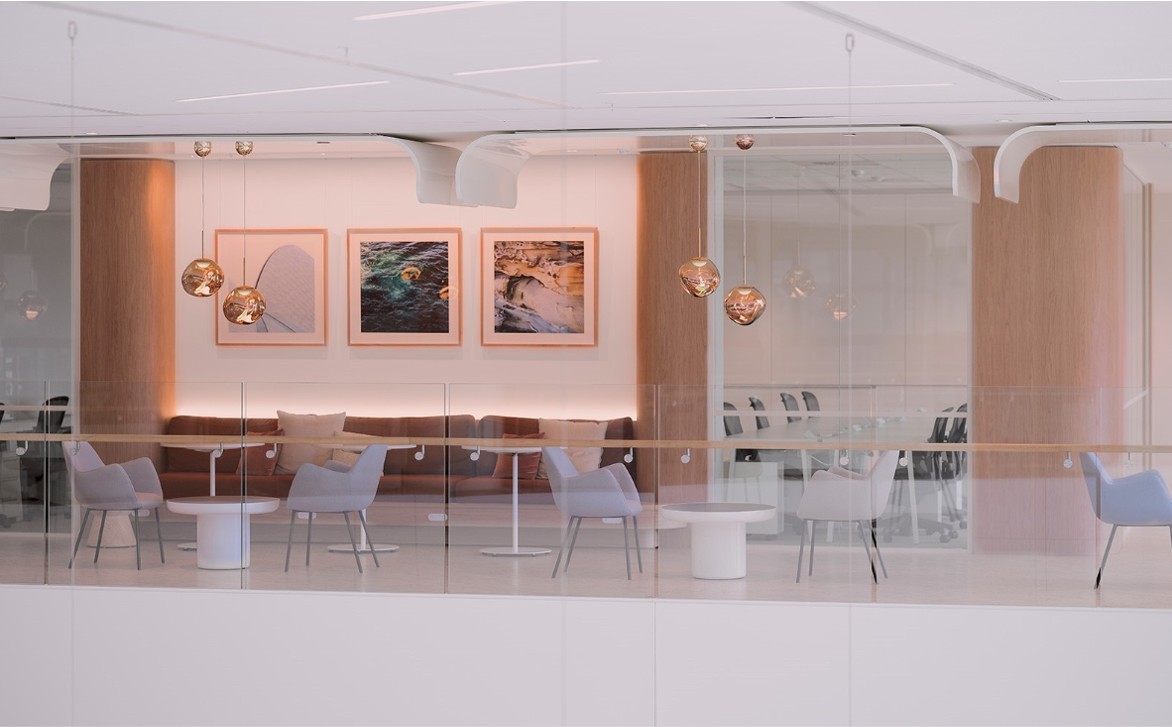
Mr Wilson said the biggest change he had seen was the shift in how businesses viewed flexible workspace before and after Covid.

“When I started in flexible workspace before the pandemic, a huge part of the initial conversation was in educating tenants as to why they should consider flexible workspace rather than a traditional lease. After COVID, things changed exponentially.
“The number one demand was flexibility. Businesses did not want to be tied down to a long lease because they simply had no idea what their headcount, growth or future requirements would look like and there was always the possibility of more lockdowns,” said Mr Wilson.
He said London had been at the forefront of the sector with Australia still developing its flexible workspace market.
“London has been at the epicentre of the flexible workspace revolution, becoming a launchpad for a mature, diverse and sophisticated market unrecognisable from that of 10 years ago…Sydney and Australia are still playing catch-up, but the potential is enormous.
“To a certain extent, there is still a perception in Australia that flexible workspace is for small companies, start-ups and solopreneurs. This couldn’t be further from the truth,” he said.
One of the biggest developments in the sector outside of Australia has been the rise of managed offices, which provide a middle ground between a traditional office lease and a serviced office.
“It is the perfect solution for those seeking the best of both worlds…you have a self-contained space but on flexible terms and with all-inclusive pricing,” said Mr Wilson.
Mr Wilson added that managed workspace was likely to become increasingly important in Australia as landlords and operators responded to occupiers seeking greater flexibility without compromising on privacy or workplace quality.
“We are seeing businesses looking for spaces for 20 to 100+ people with their own meeting rooms, exec offices, kitchen and breakout spaces, and they want to sign for 12 to 24 months,” he said.
Mr Wilson said the market did not always have products that met this combination of requirements, leaving some businesses to pursue traditional leases simply because a suitable flexible option was not available.
He said the gap was particularly evident for businesses looking for a genuinely self-contained workplace, rather than a small office within a larger coworking environment.
“The issue is that you might have a 30-person business that wants its own office, meeting rooms and facilities but there isn’t necessarily a flexible product that gives them all of that.
“Instead, they end up going through a traditional leasing process which can take months, when a flexible solution could be delivered within weeks,” he said (continues below).
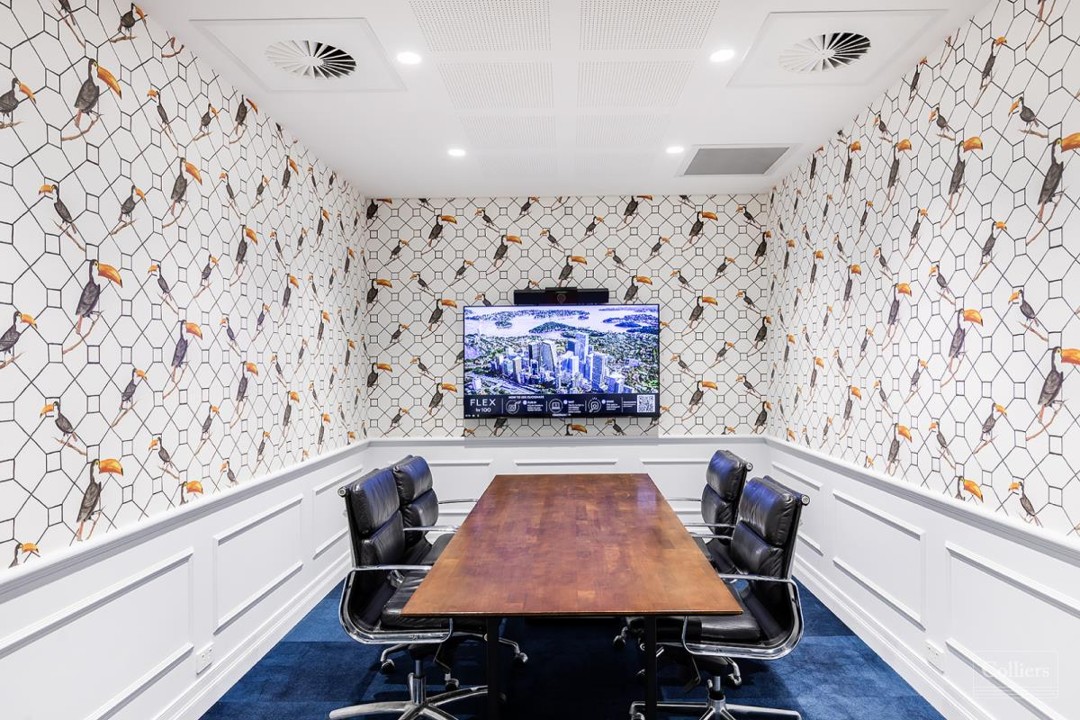
He said the changing requirements presented an opportunity for traditional landlords to reconsider how existing office space could be utilised.

“The change is only going to be a positive thing for traditional landlords. It will force them to get with the times, think outside the box and use this empty space and utilise it better,” said Mr Wilson.
Mr Wilson said flexible workspace should increasingly be viewed as part of the broader office market, rather than a separate alternative to traditional leasing.
“Flexible office space is the future of office space. It is not necessarily about replacing traditional leases but giving occupiers more choice around how they take space and for how long,” he said.
That focus on choice is also influencing how flexible workspace operators design and position their spaces, with a greater emphasis on matching the product to specific occupier requirements.
“Operators are becoming much more targeted in how they design and position their space…the strongest outcomes happen when you understand both sides of the market, what the operator is built to support and what the occupier genuinely needs,” he said.
That focus is reflected in the speed of the market, with more than 50 per cent of enquiries progressing to a viewing within a week and the average time from first enquiry to signing around 10 working days.
“More than 50 per cent of our enquiries go out and view space within a week and the average time from first enquiry to someone signing is 10 working days,” said Mr Wilson.
Mr Wilson also expects flexible workspace to become increasingly specialised, with industry-specific locations emerging across sectors including health, technology and law.
He said the quality of the physical workplace remained important as occupiers became more discerning about what they wanted from flexible space.
“Community is important but it can’t make up for a poor-quality space. If the office is dark, small or simply not a good place to work, the community element loses its value,” said Mr Wilson.
Looking ahead, Mr Wilson expects the flexible workspace model to continue evolving, with dedicated flexible office buildings potentially becoming more common.
“At the moment, flexible workspace providers are limited to one or a few floors within a whole building,” said Mr Wilson.
“Soon there will be locations where every floor will be purely flexible offices of all sizes from 10 square metres to 1,000,” he added.
Mr Wilson said the evolution of flexible workspace would ultimately give occupiers greater choice while creating new opportunities for landlords to respond to changing demand.