Melbourne CBD landlords get strategic on office upgrades: Colliers
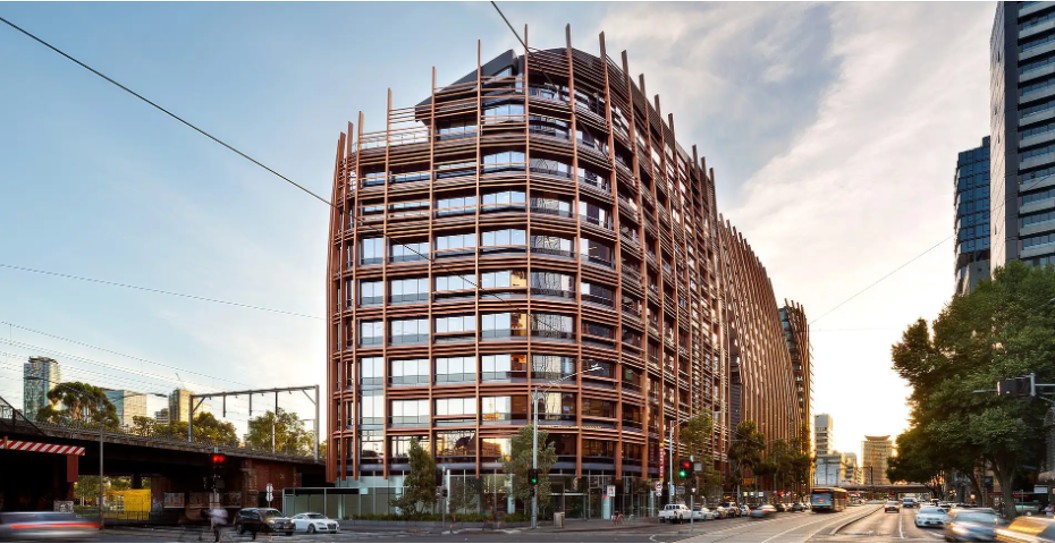
Colliers office leasing specialist James McMahon shares how repositioning and activating existing CBD assets can improve leasing performance.

Melbourne’s CBD office market is seeing landlords take a more strategic approach to improving leasing performance, with targeted investment, stronger amenity and activation being used to reposition existing assets and make better use of infrastructure already in place.
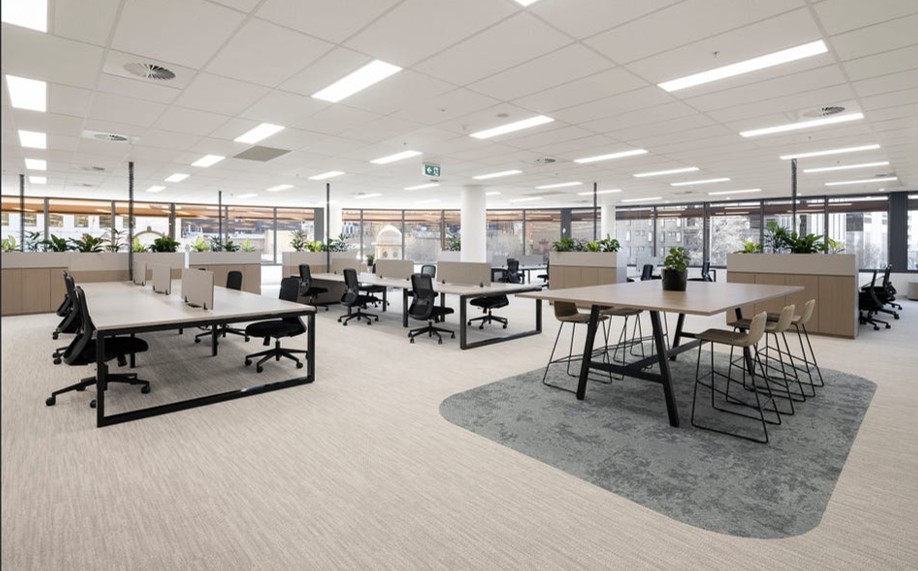
Colliers Associate Director – Office Leasing, Melbourne CBD, James McMahon said the approach was becoming increasingly evident across leasing campaigns, with landlords looking beyond traditional refurbishment programs to identify where targeted changes could improve an asset’s appeal to occupiers.
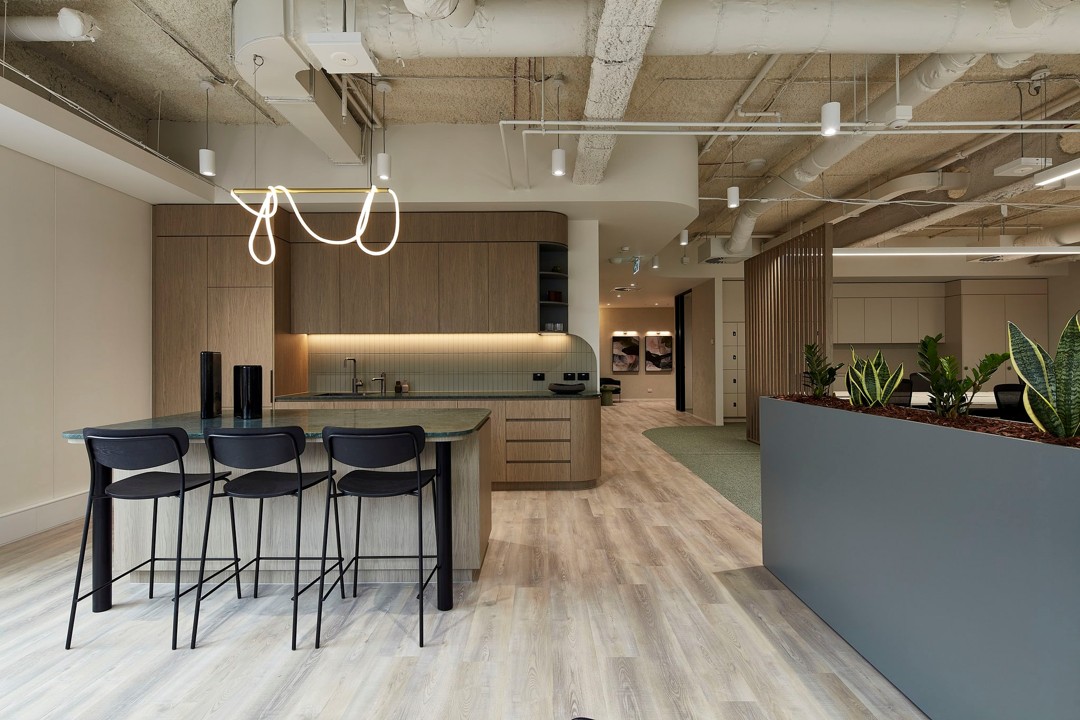
Rather than treating existing buildings as requiring wholesale transformation, James said the opportunity was often to understand what an asset already offered, identify where it could be strengthened and build a leasing strategy around its existing attributes.
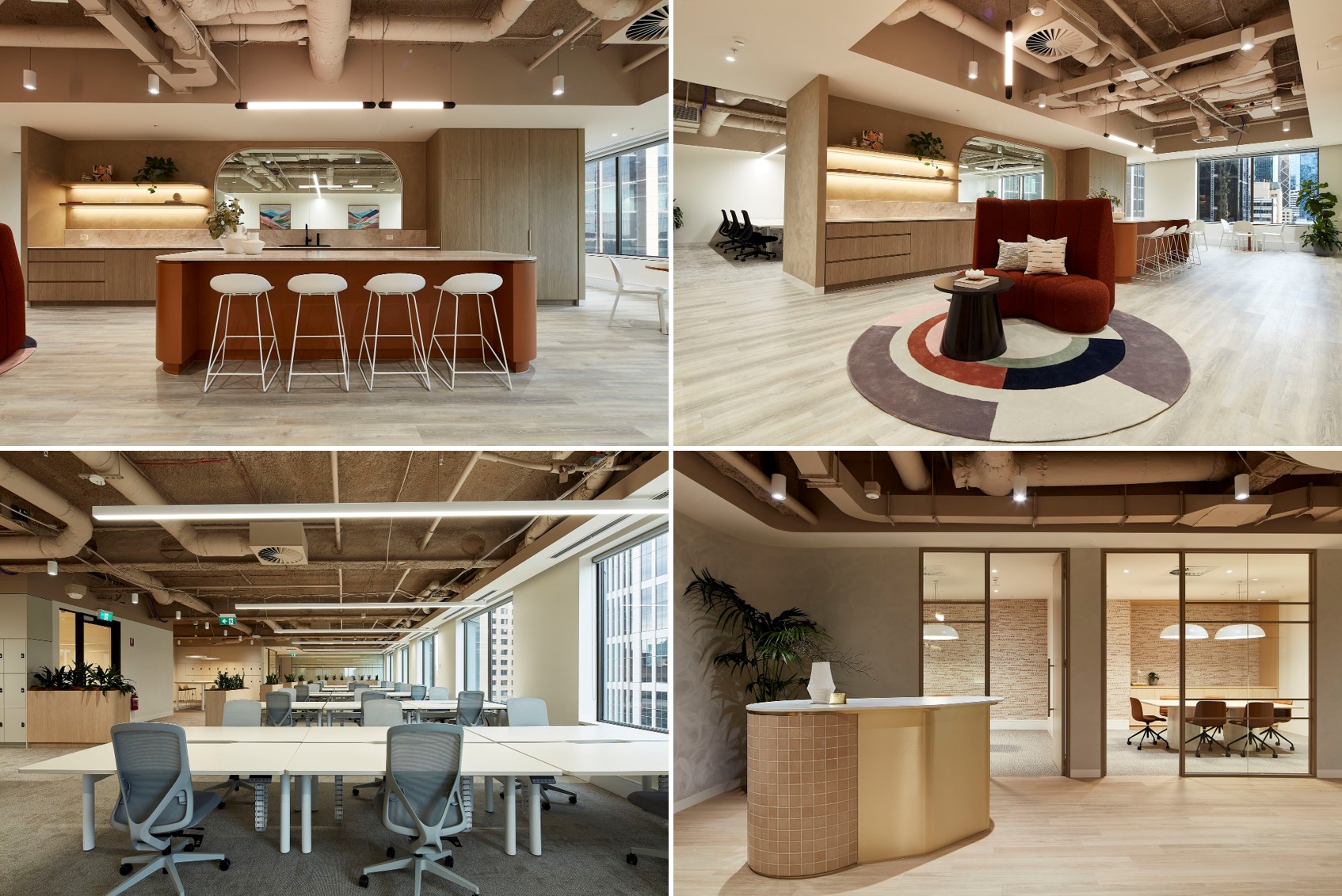
“Landlords are increasingly recognising the opportunity to breathe new life into existing fit-outs, refurbishing quality spaces to present as fresh, modern offerings while avoiding the cost of a full rebuild.

This approach creates a win-win, allowing landlords to deliver greater value to tenants through attractive rental incentives and abatements while providing occupiers with a high-quality workplace solution at a more competitive overall cost,” said James McMahon.
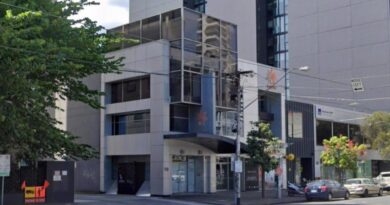
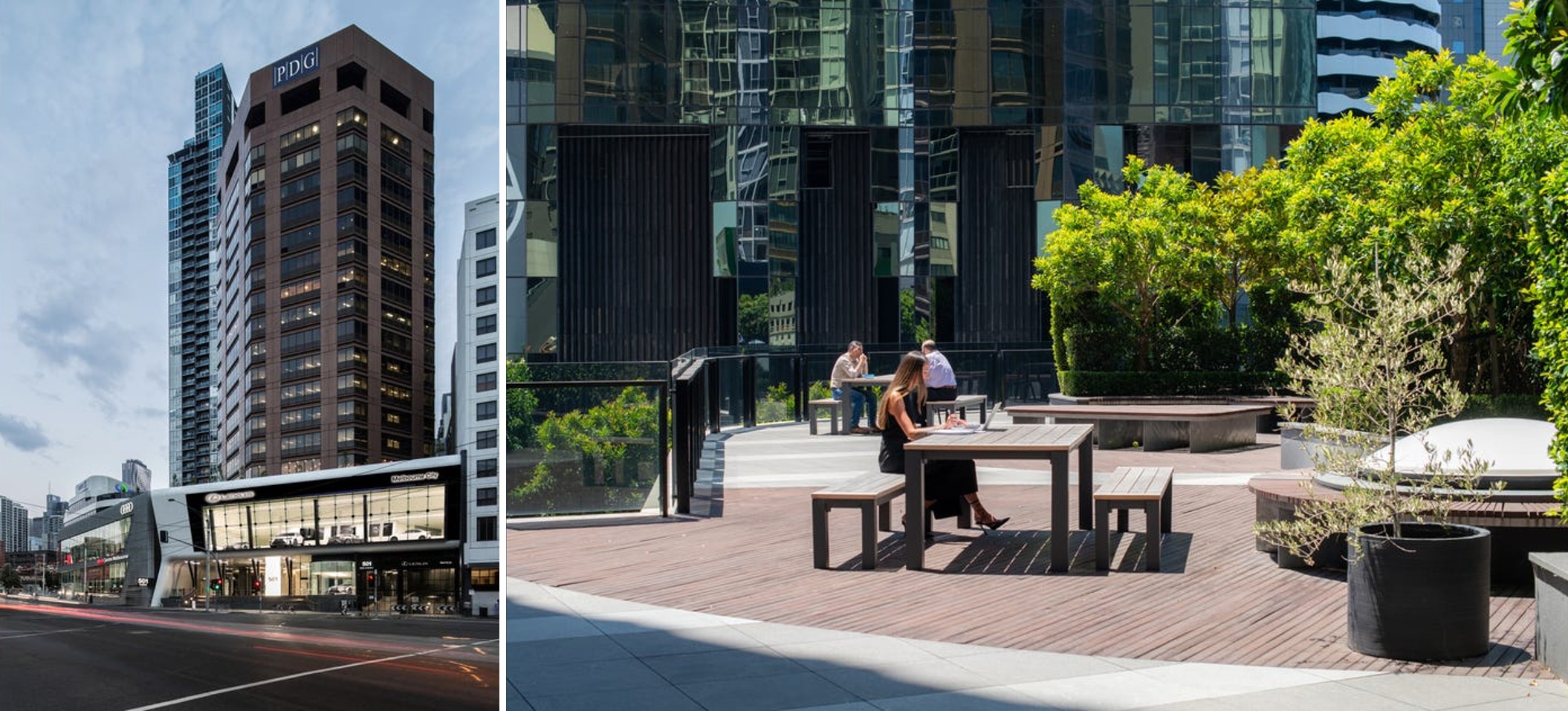
At 525 Flinders Street (pictured, top), James was involved in the repositioning and leasing of the building, which had previously experienced an extended period of vacancy before reaching full occupancy.
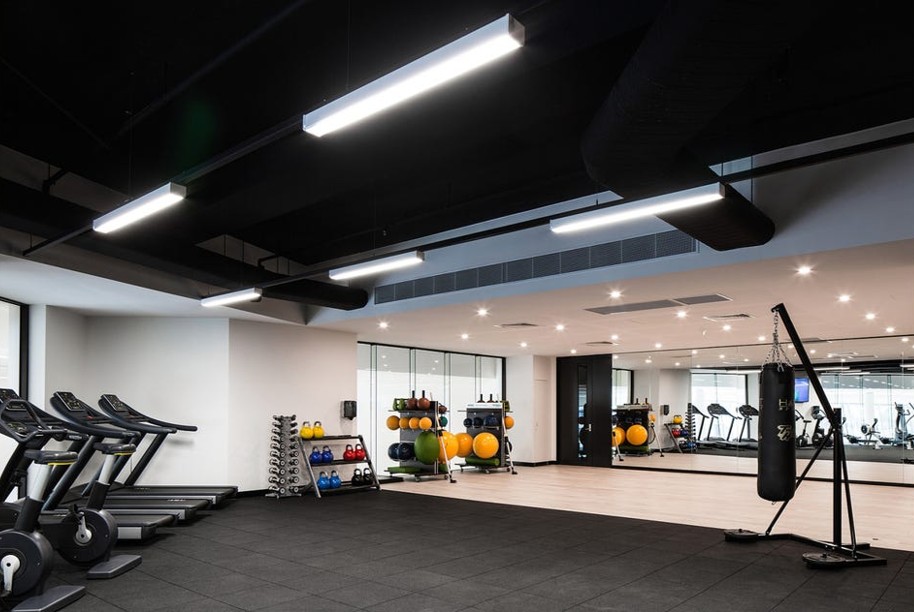
The new landlord took a proactive approach to repositioning the asset, introducing an on-site gym, activating the café offering and directly addressing previous security concerns.
These targeted improvements helped transform the tenant experience, reinvigorate the building and create positive leasing momentum.
James said the strategy worked because the building fundamentals were already strong, with excellent public transport connectivity, abundant natural light and access to green space.
Through hands-on building management, targeted investment and the ability to make quick decisions and adapt the leasing strategy, the landlord was able to capitalise on these inherent strengths, ultimately taking the building to 100 per cent occupancy.
At 360 Collins Street, James also secured a seven-year lease with engineering consultancy ACOR, attracting an occupier from Melbourne’s fringe to the CBD (continues below).
The transaction incorporated a tenant-led refurbishment of the existing fit-out, providing a more cost-efficient approach while allowing the occupier to align the workplace with its sustainability objectives.
Recent leasing activity has highlighted the success of targeted retrofit strategies, with 501 Swanston Street achieving 100 per cent occupancy after the landlord upgraded and modernised existing fit-outs across approximately 2339 sqm.
The approach created turnkey accommodation while avoiding the cost and disruption of a full refurbishment, with Peter MacCallum Cancer Centre and Peter MacCallum Foundation securing 942 sqm and 455 sqm respectively on five-year terms.
New Era Caps also leased 898 sqm at 525 Flinders Street for three years, highlighting continued demand for well-presented, value-driven office space.
James said the strongest leasing strategies were increasingly focused on understanding the needs of individual occupiers and matching those requirements with the strengths of each building.
“The most effective upgrades are not necessarily the most expensive, with occupiers increasingly prioritising value and efficiency when making real estate decisions.
Businesses are looking for workplaces that strike the right balance between quality, amenity and functionality while ensuring their occupancy costs represent genuine value.
It is about making sure the investment is aligned with what the market values and using the building’s existing strengths as a starting point.”
Looking ahead, James expects demand to remain strongest for well-located CBD buildings that can offer quality amenity, wellness features and a compelling workplace experience.
“The CBD continues to offer a level of amenity, connectivity and access to services that is difficult to replicate elsewhere.
As occupiers continue to refine their workplace strategies, buildings that can offer a strong overall experience will remain well positioned.”