

Investors shift gears to automotive real estate: CBRE
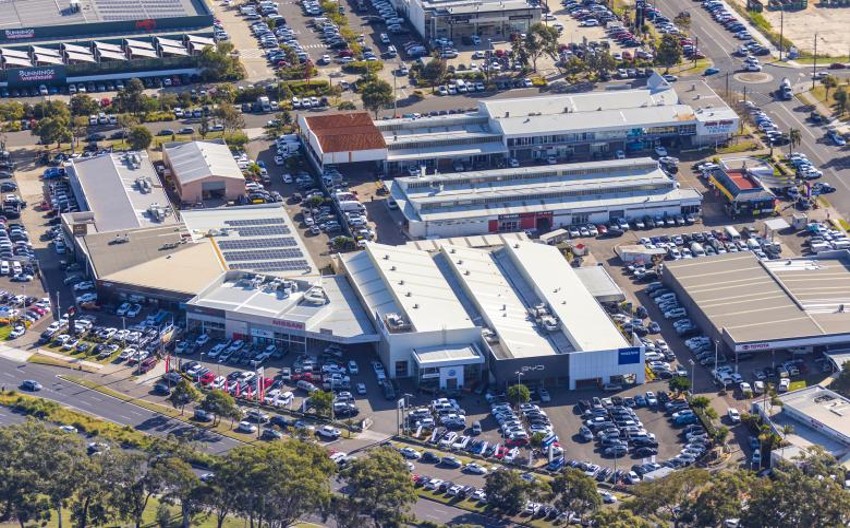
With more than 21.6 million registered vehicles and net overseas migration of approximately 300,000 people annually, Australia’s automotive services sector is delivering one of the most resilient income streams in commercial property, according to CBRE’s June 2026 Automotive Intelligence Report.

The report shows private investors are increasingly targeting tyre retailers, service centres and auto parts assets, supported by 10-year net leases, fixed annual rent increases of 3–4% and tenants backed by ASX[1]and NYSE-listed parent companies.

Yields have remained stable despite elevated interest rates, with metropolitan assets pricing between 4.14% and 5.82%, while regional markets offer up to 120 basis points of additional return.
Activity is being led by Queensland, which accounts for 44% of national transaction volume since 2024, reflecting strong population growth across South East Queensland and continued expansion of suburban, car-dependent catchments.
Jesse Lapham, Head of Private Wealth Research at CBRE, said the sector’s performance is underpinned by structural demand.
“The size of Australia’s vehicle fleet is a critical driver. As the number of vehicles continues to grow, so too does the need for consistent servicing, parts and maintenance, supporting long-term tenant demand.”
Mr Lapham said the sector also offers a rare combination of accessibility and covenant strength.
“The market is dominated by a small number of national operators backed by listed parent companies.
For investors, that provides institutional-grade tenants at price points that remain accessible to private capital, alongside long leases and built-in rental growth,” (continues below).

The report highlights strong long-term fundamentals, with Australia’s population forecast to reach 32 million by 2035, alongside an additional 2.9 million workers and rising household incomes.
“That growth is concentrated in suburban markets where car dependency is highest. As the population expands, so too does the size of the fleet, directly supporting long-term demand for servicing, parts and tyre retail,” Mr Lapham said.
Mr Lapham said shifting policy settings are also increasing investor focus on the sector.
“As residential policy headwinds redirect capital into commercial markets, we’re seeing growing competition for well-located automotive assets with long leases and strong tenant covenants.”
On electric vehicles, Mr Lapham said the transition remains supportive of the investment case.
“EVs still require regular servicing across tyres, brakes, suspension and air conditioning, and tend to wear tyres more quickly. Fleet size matters more than drivetrain mix, and that fleet continues to grow”.
For a copy of the report, contact: Jesse.Lapham@cbre.com.