Supply constraints accelerate demand for new healthcare assets: CBRE

Australia’s healthcare leasing market is emerging as one of the most resilient and tightly held real estate sectors, underpinned by strong population growth, rising healthcare utilisation and a shortage of new, fit-for-purpose medical facilities.
CBRE found that tenant demand across medical, allied health and specialist operators continues to deepen. However, escalating construction costs, extended planning timeframes and tighter funding conditions have materially reduced the number of new healthcare developments commencing construction nationwide.
As a result, projects that achieve sufficient pre-commitment and progress through to delivery are being met with heightened tenant and investor demand.
“Pre-commitment has become a defining factor in today’s healthcare development cycle,” said Kai Wang, Senior Negotiator at CBRE.
“Operators are making earlier leasing decisions to secure space within new facilities, particularly where projects are aligned with population growth, transport infrastructure and established health precincts.
“Construction costs have escalated sharply since 2020, while higher interest rates and more conservative lender requirements have forced many proposed projects back to the drawing board. This has intensified competition for high-quality new buildings, particularly within established and emerging health precincts anchored by major hospitals.”
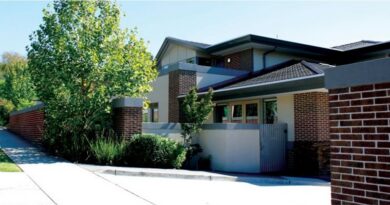
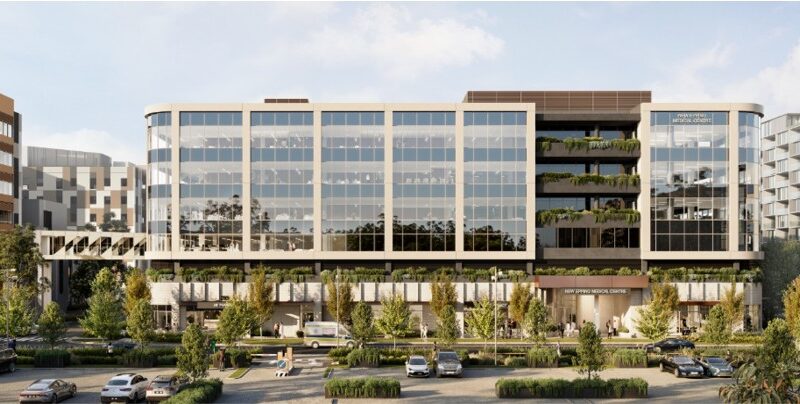
One example is the seven hectare Epping Health Hub (artist’s impression, top) in Melbourne’s north. Construction commenced in March 2026 after surpassing a 35 per cent pre-commitment threshold, securing anchor tenants Icon Cancer Centre and Lumus Imaging alongside a mix of GP and specialist operators.
“Healthcare assets are benefitting from a fundamental supply-demand imbalance,” said Sandro Peluso, National Director, Australian Healthcare & Social Infrastructure at CBRE (continues below).
“With build costs increasing significantly in recent years and fewer projects progressing, the limited number of developments that do proceed are capturing leasing momentum much earlier in the cycle.”
Major hospital-led precincts continue to generate the strongest leasing enquiry. The New Footscray Hospital, currently under development as part of Victoria’s largest health infrastructure investment, is acting as a key catalyst for surrounding medical and allied health activity.
“Hospital precincts remain the gold standard for healthcare demand,” Mr Peluso said.
“Assets located within or adjacent to these precincts offer long-term relevance and tenancy depth that is increasingly difficult to replicate.
“We’re seeing the strongest demand for assets that provide flexible floorplates, modern building services and proximity to major transport and hospital infrastructure. Projects that meet these criteria are achieving faster lease-up and attracting stronger tenant covenants, reinforcing their appeal to both developers and long-term investors.
“With development pipelines remaining constrained, CBRE expects competition for newly delivered healthcare assets to remain elevated—particularly across Melbourne’s growth corridors and established health precincts—supporting leasing outcomes, asset values and long-term investment performance.”