Student housing pipeline climbs: PCA
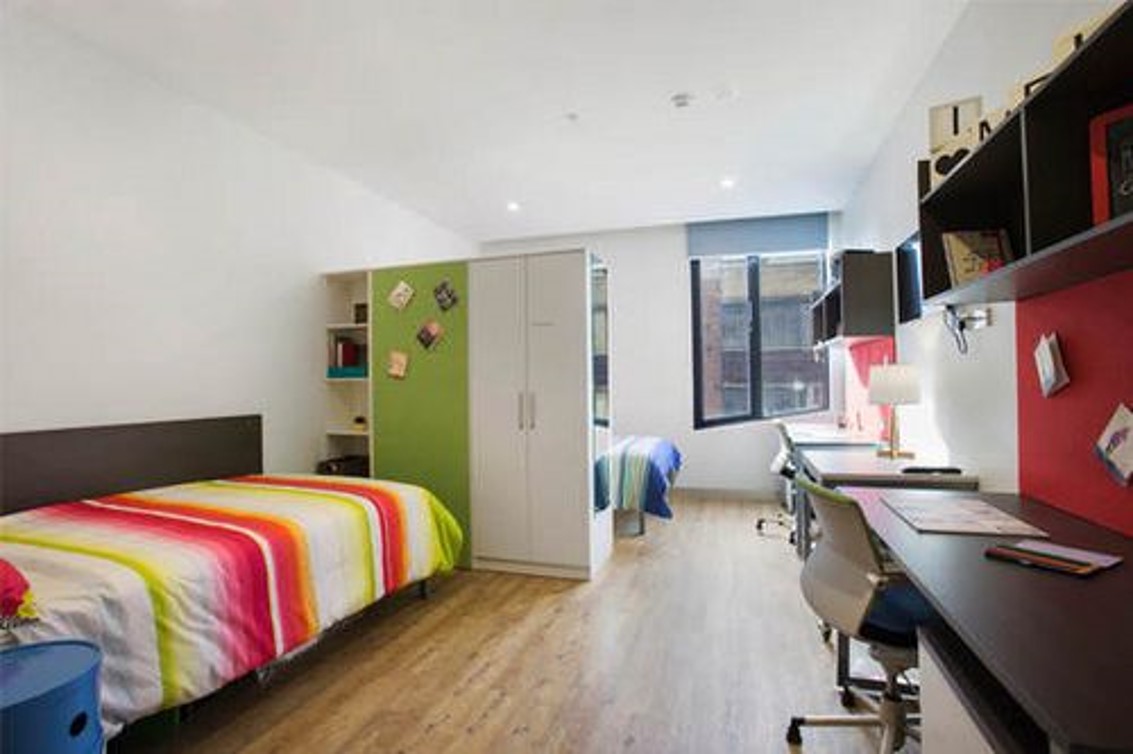
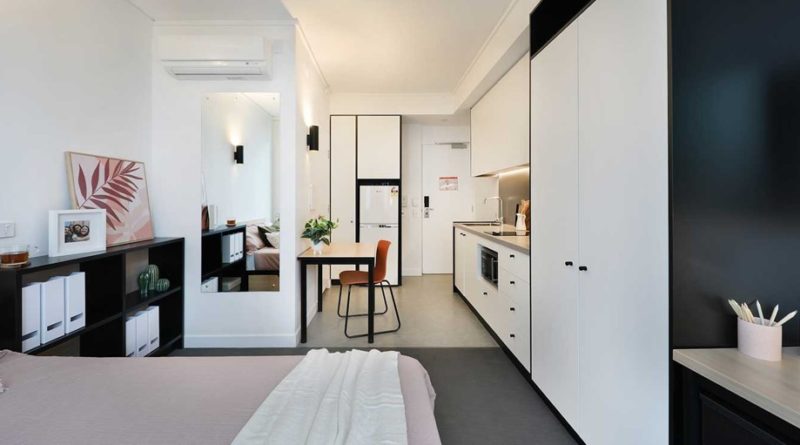
Australia’s purpose-built student accommodation pipeline has climbed to 47,233 beds, though the distribution of new supply is disproportionate to the scale and location of anticipated student demand.
Student Accommodation Council Executive Director Adele Lausberg said high demand for purpose-built accommodation reflects the role it plays in housing international students and easing pressure on the broader rental market.
“When students come to Australia, they are here to study and overwhelmingly choose purpose-built student accommodation designed for their needs,” Dr Lausberg said.
“That means more students are housed in dedicated accommodation, taking pressure off the private rental market in our major cities.”
The latest Urbis Student Accommodation Benchmarks, produced in partnership with the Student Accommodation Council, shows a significant increase on last year’s pipeline of around 40,000 beds, with projects progressing across development application, approval, and construction.
“More than 14,100 beds are currently under construction, with a strong pipeline of new supply expected to come online through to 2028,” Urbis Director Alex Stuart said.
“We are seeing a very real shift in capital allocation decisions. Investors are increasingly looking outside NSW and Victoria because the settings are simpler, more stable, and ultimately more investable.”
The national development pipeline shows a widening divergence between Sydney and Perth, as policy settings related to break lease clauses under the Residential Tenancies Act in New South Wales increasingly divert investment capital to more favourable markets interstate.
Perth is leading the country in projects progressing into construction, with 4,224 beds currently underway, reflecting strong investor confidence and supportive policy settings.
Sydney shows signs of being persistently under-supplied – despite having the largest share of international students in the country. It lags its demand share even at the development approval stage and has less than half the pipeline it needs to match demand (continues below).
Purpose-built student accommodation operates on academic cycles, with shorter stays aligned to semesters, and needs a fit-for-purpose framework so that more projects can be built.
“A student living in purpose-built student accommodation has access to everything they need – security, safety, and community, creating a foundation for student well-being and success. But the NSW break lease settings, whilst being a well-intended policy, are having unintended consequences.”
The current NSW framework limits the ability for operators to recover costs when students exit leases early, creating uncertainty in future bookings and undermining the viability of the purpose-built student accommodation sector in NSW, as reflected in the pipeline data.
“Student accommodation is different to the traditional rental market, and has intakes largely aligned with university semesters, and provides a wraparound experience catered specifically for students. Break lease settings go directly to feasibility, and Sydney desperately needs all the housing it can get.”
Brisbane is seeing decent movement into delivery, but also faces break lease RTA issues, while Adelaide continues to build momentum across the pipeline with a steady flow of projects moving through applications, approvals and construction.
Melbourne holds the largest pipeline nationally at 12,656 beds, though the majority remain in planning application and approval stages, and construction is not necessarily guaranteed. The impact of steep Land Tax charges on student accommodation beds in Victoria is a key factor delaying projects as they move from development approval to construction.
“It’s not just about how much pipeline exists. It’s about how much of that pipeline is actually investable and deliverable,” Dr Lausberg said.
“Where governments provide operational clarity, streamline planning, and support investment, projects are progressing into construction and delivering new homes for students.”