Private capital to fill healthcare property gap: CBRE
Australia’s ageing population is creating a growing gap between the federal government’s commitments to fund healthcare and social services and its ability to provide the real estate to deliver those services.
That is creating a larger role for private capital in healthcare, aged care and childcare property, according to speakers at a CBRE event in Melbourne today.
“Governments will keep paying for the care…they can’t pay for all the buildings as well…that’s the gap private capital is being asked to fill,” CBRE Australian Healthcare & Social Infrastructure national director Sandro Peluso said.
But the expanding demand for healthcare and social infrastructure is not translating into a broad-based investment rush, with capital becoming increasingly selective about the assets and operators it backs.
“Capital is deep but it is highly selective…investors are looking beyond the lease to the quality of the operator, the underlying demographics and the long-term sustainability of the asset,” Mr Peluso added.
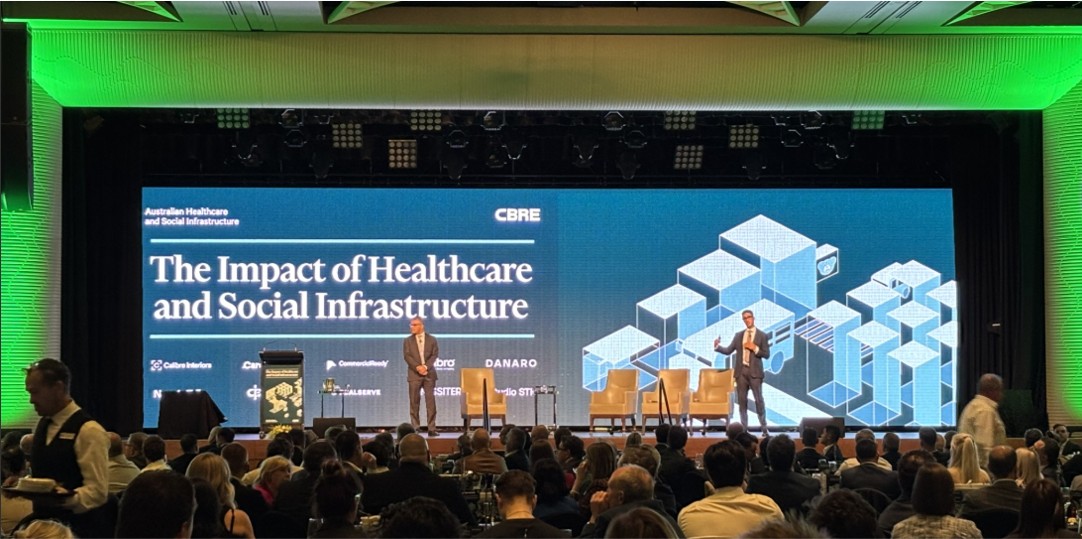
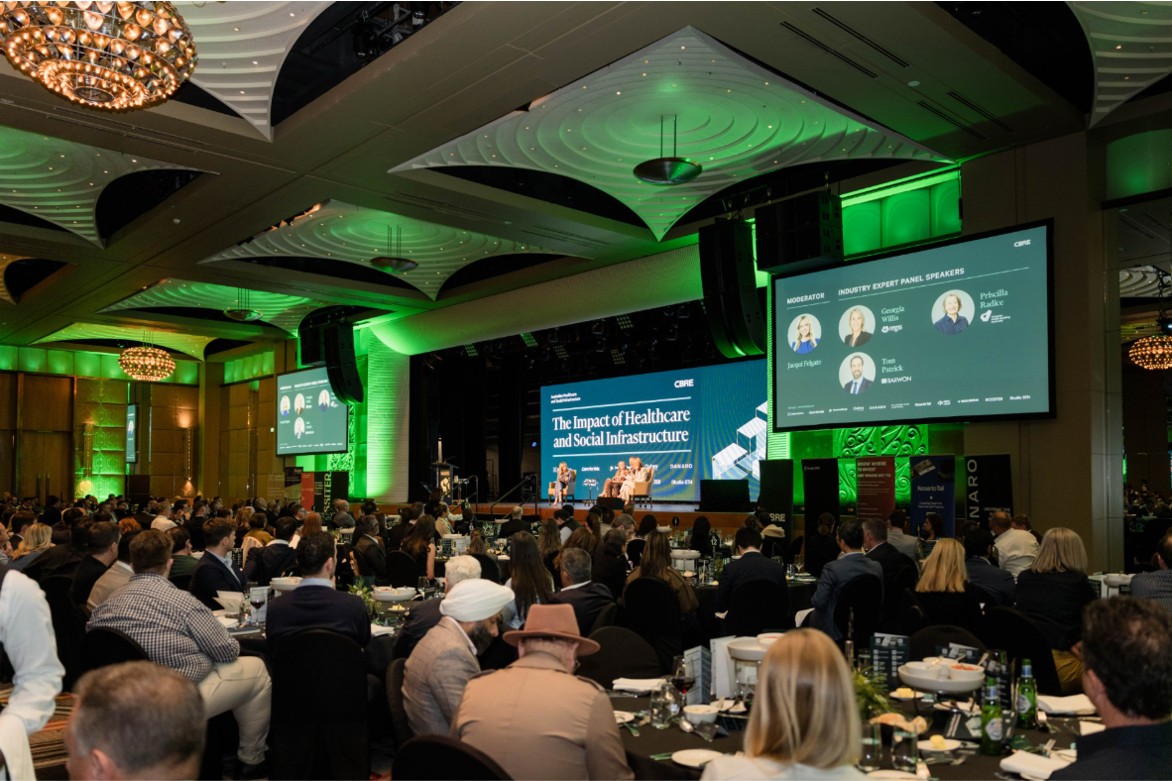
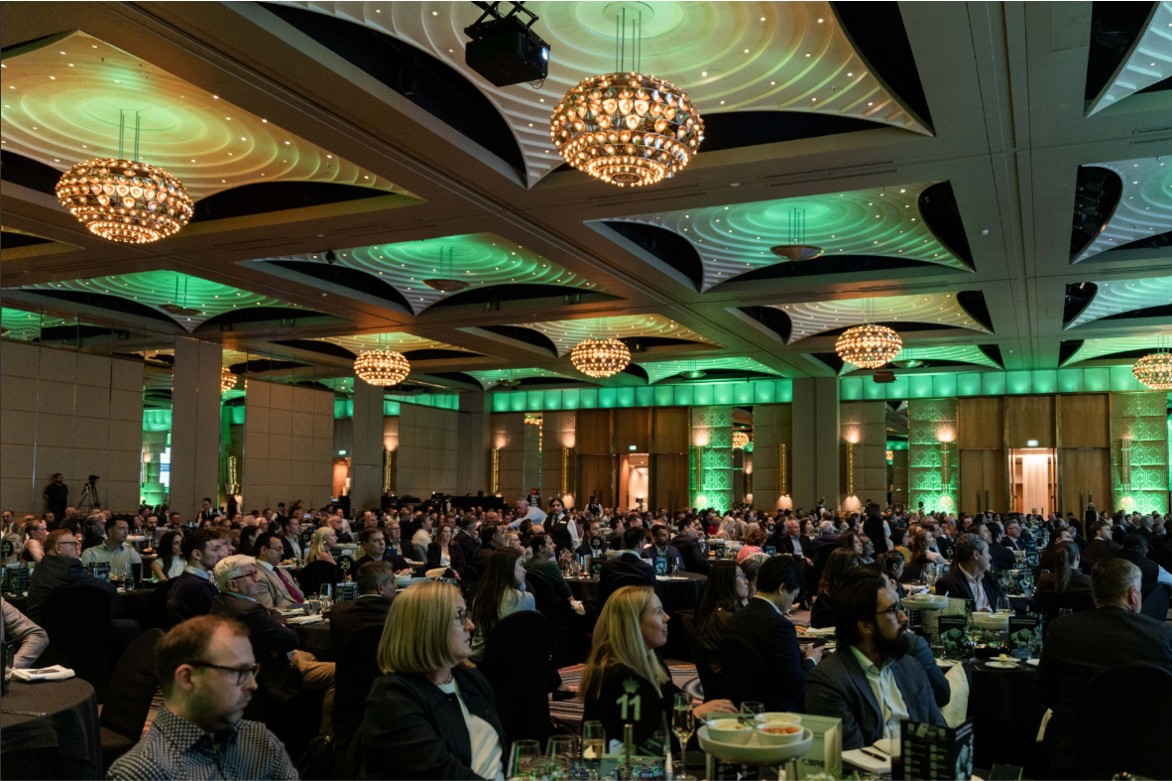
More than 500 investors, operators, government representatives, developers and property professionals attended CBRE’s The Impact of Healthcare and Social Infrastructure at Crown Palladium on Wednesday.
Demographics set the demand
The presentation coincided with the recent release of the federal government’s 2026 Intergenerational Report, which projects the number of Australians aged 85 and over will triple by 2065-66.
It also forecasts federal government health spending will rise from 4 per cent of GDP in 2025-26 to 6.2pc by 2065-66, while aged-care spending is projected to increase from 1.5pc to 2.3pc of GDP.
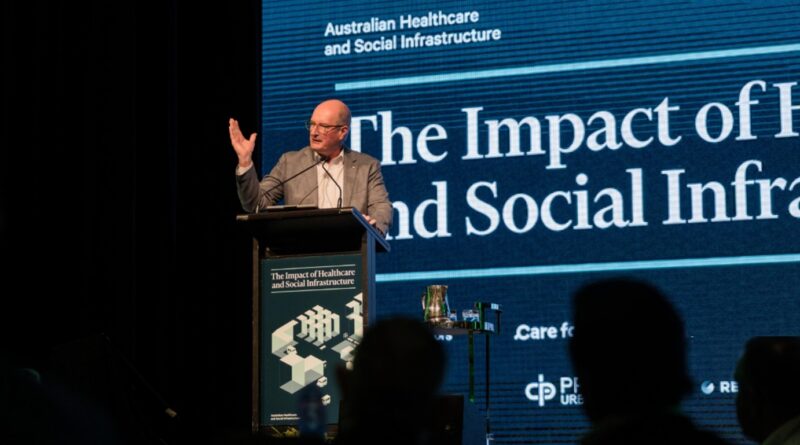
Business and finance commentator David Koch, who delivered the keynote address, said the demographic outlook provided an unusually clear view of future demand.
“Demographics are about as close to a sure thing as economics gets,” according to the broadcaster.
“We already know how many 85-year olds we’ll have in 2036 because they’re 75 today,” he added.
The Intergenerational Report projects Australia will have 39.3 million people by 2065-66, but with deaths expected to outnumber births from the 2060s as fertility declines.
Mr Koch said a challenge was whether the infrastructure and workforce would be available to service the ageing population.
“The only question is whether the beds, the carers and the money will be there when they need them,” he added.
Aged care needs a new home every three days
The scale of the aged-care requirement is already being reflected in government forecasts.
Mr Koch quoted Department of Health research that Australia needs to open a new aged-care facility every three days for the next 20 years, equivalent to about 10,500 additional beds a year.
For property investors, however, demographic demand does not automatically make every healthcare or social infrastructure asset investable.
“Capital is deep but it is highly selective,” Mr Peluso said.
“Investors are looking beyond the lease to the quality of the operator, the underlying demographics and the long-term sustainability of the asset,” he added (continues below).
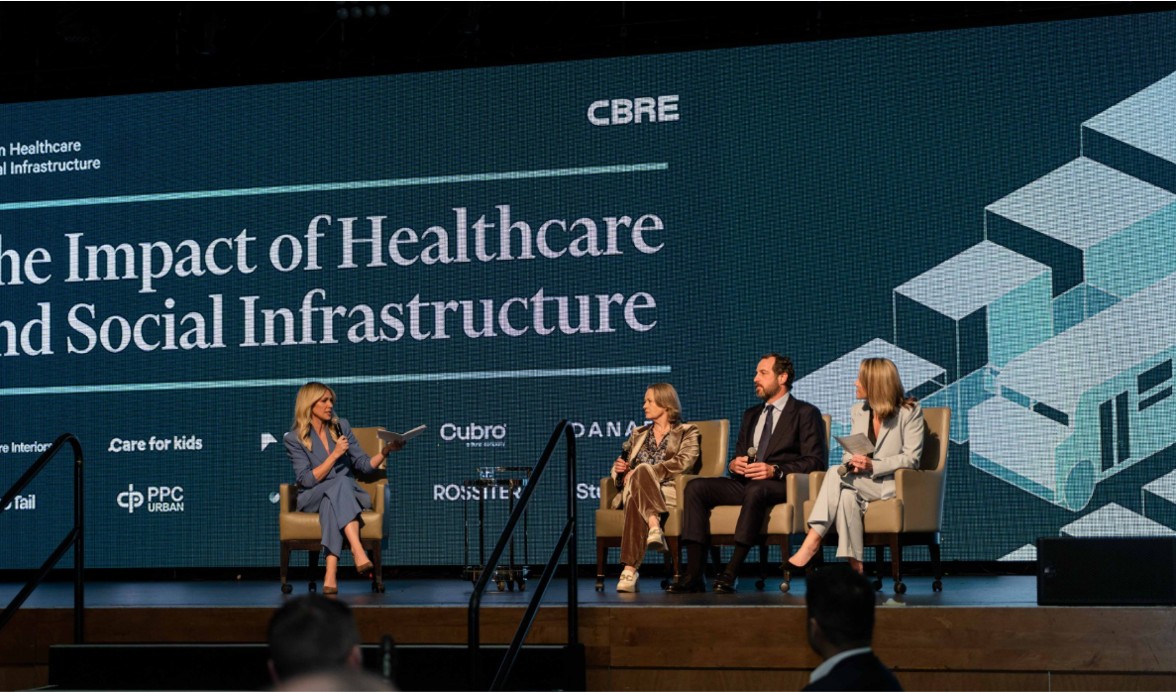
The distinction was explored in a panel moderated by journalist Jacqui Felgate, featuring Victorian Health Building Authority chief executive Priscilla Radice, Barwon Investment Partners managing director Tom Patrick and Regis chief executive Georgia Willis.
Ms Radice outlined the Victorian government’s pipeline of hospital projects, including the recently completed Footscray Hospital and projects under construction or delivery elsewhere in the state.
Mr Patrick said there was scope for more private-sector partnerships involving smaller healthcare properties rather than concentrating investment around major hospitals.
He also pointed to difficulties in attracting medical practitioners to some locations, with doctors and specialists often wanting to work close to established employment and residential centres.
The availability of healthcare real estate therefore depends on more than the underlying population in a catchment.
CBRE Australian Healthcare & Social Infrastructure director Marcello Caspani-Muto said demographic demand was also uneven within individual markets, using childcare as an example.
He said some areas could have more childcare centres than others despite having less underlying demand, illustrating the importance of matching supply to local demographics rather than relying on broad population growth.
Aged care is not retirement living
The aged-care market presents a different property requirement, according to Ms Willis, who said facilities needed to be designed around how older Australians live and receive care, rather than simply providing accommodation.
Residential aged care and retirement living also serve different markets, with aged care designed around residents requiring higher levels of support while retirement living is generally aimed at more independent residents.
The distinction is becoming more important as government policy shifts more care into people’s homes while demand for residential aged care continues to rise.
Mr Peluso said investors were increasingly assessing healthcare and social infrastructure through both property and operating lenses.
“The strongest healthcare and social infrastructure assets are increasingly being assessed on both their property fundamentals and the sustainability of the underlying service and operator,” he added.
The investment requirement extends beyond aged care, according to the executive.
Australia’s healthcare and social assistance sector already employs about 2.4m people, or 16pc of the workforce, making it the country’s largest employing industry, according to the Intergenerational Report.
The report also forecasts health and aged-care demand to rise as Australians live longer, with ageing accounting for about one-third of the projected increase in health spending over the next 40 years
Mr Peluso said for property owners and investors, that leaves an expanding pool of government-supported service demand but a more selective market for the buildings that accommodate it.
The question is increasingly not simply whether an asset has a healthcare or social infrastructure tenant, but whether the operator, location, demographics and building remain viable over the life of the investment, he added.
Subscribe to our newsletter at the bottom of this page.